
LAVENTILLE HERITAGE TOUR
Hidden Historical Gems Of Trinidad.
A Journey Through the Community That Helped Shape Trinidad
3 HOURS
Guided Experience
6 + HISTORICAL SITES
Heritage Landmanks
PANORAMIC VIEWS
Overlooking Port of Spain
CULTURAL STORIES
History, Music & Community
JOURNEY BEGINS
Welcome to the Journey
Most visitors know Laventille for its music and Carnival traditions, but few discover the remarkable history hidden among its hills.
Just minutes from Port of Spain, this vibrant community is home to centuries-old forts, revolutionary figures, sacred landmarks and some of the finest panoramic views in Trinidad.
Through Tour Dé Laventille, Trini Riddims invites you to experience a side of Trinidad that many travellers never see.
Why this Journey Matters
Laventille is often viewed through a single lens. This journey reveals another side—one shaped by history, resilience, creativity and community. By exploring these landmarks, you'll discover why Laventille deserves recognition as one of Trinidad's most significant cultural destinations.
Today's Journey
LOCATION
Laventille, Port of Spain, Trinidad
DURATION
Apromimately 3.5 hours
HISTORIC STOPS
7 Heritage Landmarks
EXPERIRNCE
Music, history, community heritage
The Journey Unfolds
Explore Laventille's Historical Landmarks
Every landmark tells part of Laventille’s story. Together they reveal how one community helped shape Trinidad through leadership, music, science, faith and innovation.
Next Journey
As we continue along Laventille Road, another chapter of Laventille's story comes alive—not through politics, but through music.
JOURNEY ONE
The Voice of a Community -
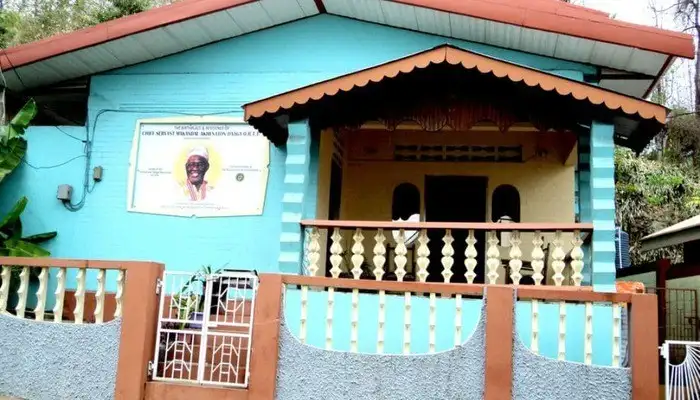
Birthplace Of Makandal Daaga
Our journey begins at the birthplace of one of Trinidad and Tobago’s most influential national figures. Before Laventille became known around the world for steelpan and Carnival, it produced leaders whose voices helped shape the nation’s identity.
Did You Know?
"Makandal" honours a Haitian revolutionary, while "Daaga" recognizes an African resistance leader, symbolizing freedom, courage and dignity.
Why it Matters
Daaga begins our journey by showing Laventille's greatest strength has always been courageous people inspiring lasting national change.
Local Voice
"Makandal Daaga inspired hope, unity and courage, proving Laventille has always produced remarkable leaders."
- Community Elder
Legacy
Makandal Daaga's leadership continues inspiring generations to pursue justice, equality, community leadership and national pride throughout Trinidad today.
Look Around
Stand before this humble home and imagine young Makandal beginning the remarkable journey that inspired generations across Trinidad today.
JOURNEY TWO
Innovation Through Music -
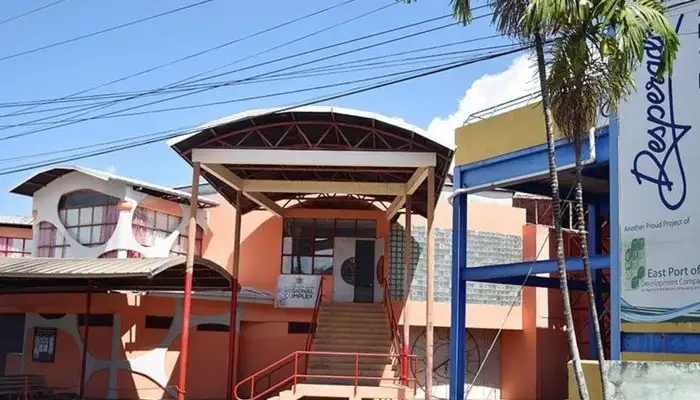
Desperadoes Home & Strong Man Centre
Welcome to the home of the legendary Desperadoes Steel Orchestra, where music, art and innovation come together. This cultural precinct celebrates the achievements of steelpan pioneers Rudolph Valentino Charles, master wire-bender Leo Warner and the enduring spirit of Laventille.
Did You Know?
Many steelpan innovations used worldwide today were pioneered by Rudolph Valentino Charles right here in Laventille.
Why it Matters
Desperadoes is more than a steelband. It symbolizes creativity, resilience and innovation born in Laventille and shared with the world.
Local Voice
"Laventille is Desperadoes, and Desperadoes is Laventille. Wherever the band performs, the spirit of Laventille goes with them."
Legacy
From this panyard, Laventille's creativity reached the world, changing steelpan music through innovation, leadership and excellence.
Look Around
Walk through the panyard, touch the John Din De sculpture and enjoy panoramic views where music, art and community unite.
Next Journey
As we continue along Laventille Road, we approach the Crossroads where Laventille Road meets Picton Road. Just beyond it, Churruca’s Observatory reveals another remarkable chapter—this time through science, navigation, and the stars.
Continue the Journey
Our journey now turns from science to faith as we continue to the historic Shrine of Our Lady of Fatima.
JOURNEY THREE
Mapping a New World -
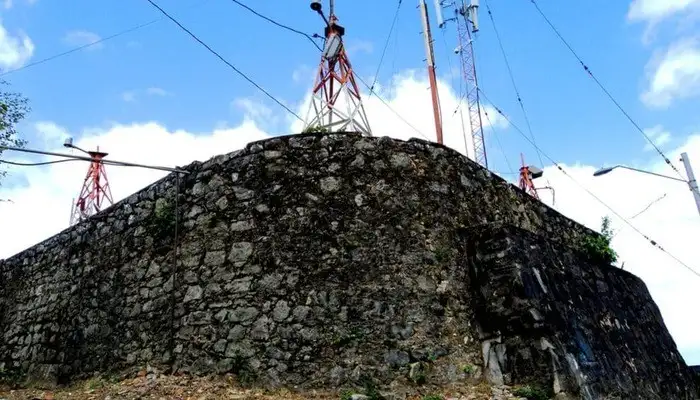
Churruca Observatory
Long before Laventille became famous for steelpan, this hillside became one of the Caribbean’s greatest scientific landmarks. In 1792, Spanish naval officer and astronomer Don Cosme Damián de Churruca established an observatory here, using the stars to accurately determine the first meridian in the New World. His groundbreaking work linked the Americas with Cádiz, Spain, improving navigation and leaving Laventille’s mark on world history.
Did You Know?
From this hillside, Don Churruca established one of the first accurate meridians connecting the New World with Europe.
Why it Matters
Observatory proves Laventille shaped more than culture—it also contributed to one of history's greatest scientific achievements.
Local Voice
"Most visitors expect steelpan. Few imagine these historic hills also helped map the New World." — Tour Dé Laventille Guide
Global Impact
Churruca's observations improved navigation, linking Europe and the Americas through more accurate maps and maritime exploration.
Look Around
Take in the panoramic view and imagine navigating the Atlantic using only the stars above and the horizon before you.
JOURNEY FOUR
Faith Above the City -
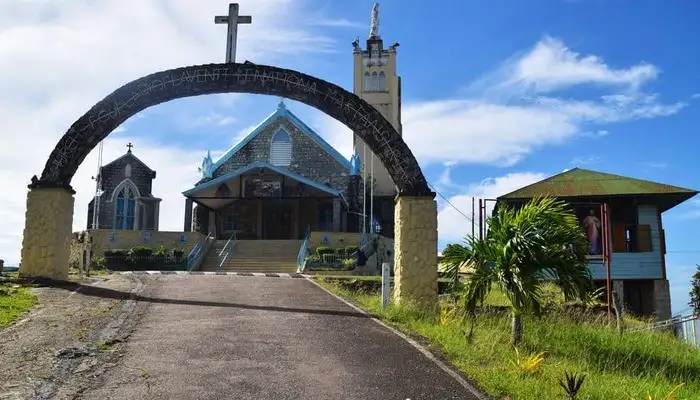
Shrine of Our Lady of Fatima
As our journey continues along the Picton Road, we arrive at one of Trinidad and Tobago’s most treasured places of pilgrimage. Since 1875, the Shrine of Our Lady of Fatima has welcomed generations of worshippers seeking hope, healing and spiritual renewal. Overlooking the city below, this sacred hill reminds us that faith has always been woven into the story of Laventille.
Did You Know?
The statue overlooking Laventille was a gift from France in 1876 and remains a cherished symbol of hope and faith today.
Why it Matters
The shrine reveals another side of Laventille, where faith, hope and community have united generations for more than 145 years.
Local Voice
"People come here carrying burdens and often leave carrying hope, peace, comfort, healing and renewal." — Tour Dé Laventille Guide
Legacy
For over a century, pilgrims from across Trinidad have gathered here, making the shrine one of the nation's enduring places of devotion.
Look Around
Notice the peaceful surroundings and imagine generations of pilgrims making this same journey seeking faith, comfort and renewed strength.
Next Journey
Leaving the shrine, Picton Road leads us to Fort Picton, where breathtaking views reveal Trinidad's colonial past.
Continue the Journey
Our journey now turns from science to Leaving Fort Picton, we continue downhill where another Laventille pioneer helped transform the steelpan into a global musical instrument.
JOURNEY FIVE
Defending a Colony -
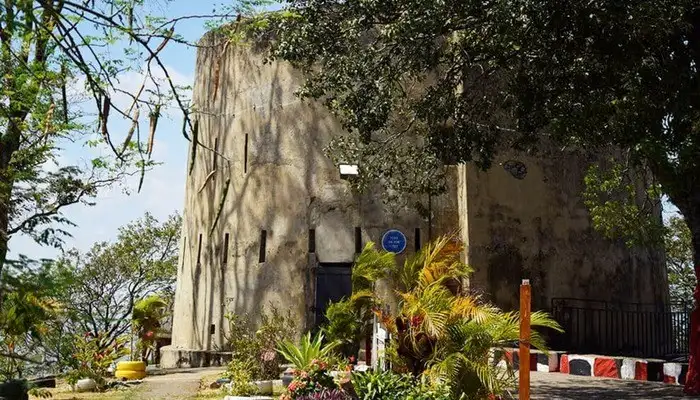
Fort Picton
Leaving the peaceful grounds of the Fatima Shrine, we turn onto Picton Road and arrive at one of Trinidad’s most remarkable military landmarks. Built in 1798 following the British capture of Trinidad, Fort Picton guarded the approaches to Port of Spain while commanding breathtaking panoramic views. Today, it stands as a reminder of colonial defence, engineering and Laventille’s strategic importance.
Did You Know?
Fort Picton is believed to be the only Martello-style tower in the Western Hemisphere, making it a rare military landmark of significance.
Why it Matters
Fort Picton reveals how Laventille's hills protected Port of Spain, shaping Trinidad's military history and colonial development.
Local Voice
"Many come for the view, but leave amazed by the remarkable history hidden behind these old stone walls." — Tour Dé Laventille Guide
Legacy
Fort Picton remains one of Trinidad's most significant colonial fortifications, preserving an important chapter of the island's military heritage.
Look Around
Take in sweeping views of Port of Spain and imagine soldiers watching the coastline for approaching ships over two centuries ago.
JOURNEY SIX
The Birth of Melody -
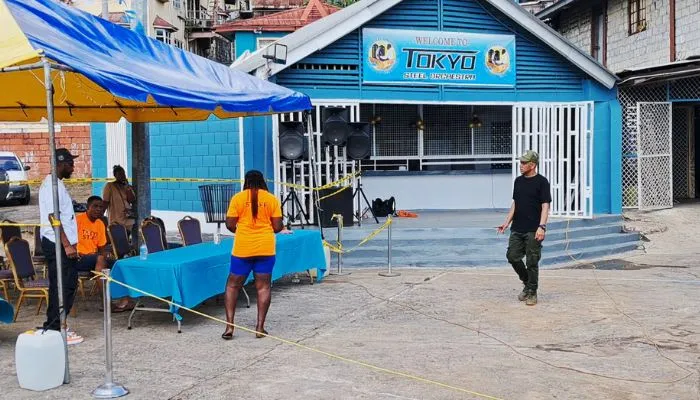
Winston "Spree" Simon & Destination Tokyo
Our journey returns to the heart of Laventille’s musical legacy. Here, Winston “Spree” Simon developed the first melody steelpan, transforming discarded oil drums into instruments capable of playing complete melodies. His pioneering work laid the foundation for the modern steel orchestra. Today, Destination Tokyo Steel Orchestra proudly continues the legacy he began.
Did You Know?
Winston "Spree" Simon founded Destination Tokyo Steel Orchestra, which continues performing from this very community today.
Why it Matters
Spree Simon assisted in the transformation of the steelpan into a melodic instrument, helping shape Trinidad's greatest musical gift to the world.
Local Voice
"Every note played here carries the spirit of Spree Simon, the birthplace of melody for many generations." — Tour Dé Laventille Guide
Legacy
His pioneering work inspired generations of pan musicians and helped establish the steelpan as Trinidad and Tobago's national instrument.
Look Around
Stand where Spree Simon lived and where Destination Tokyo still keeps his musical legacy alive through steelpan and community.
Next Journey
Reaching the end of Picton Road, we join the Eastern Main Road heading east, where ordinary journeys reveal an extraordinary chapter of Trinidad's history.t.
Continue the Journey
Just ahead, another historic landmark reflects the faith, resilience and determination that shaped generations of the Laventille community.
JOURNEY SEVEN
Along the Old Colonial Road -
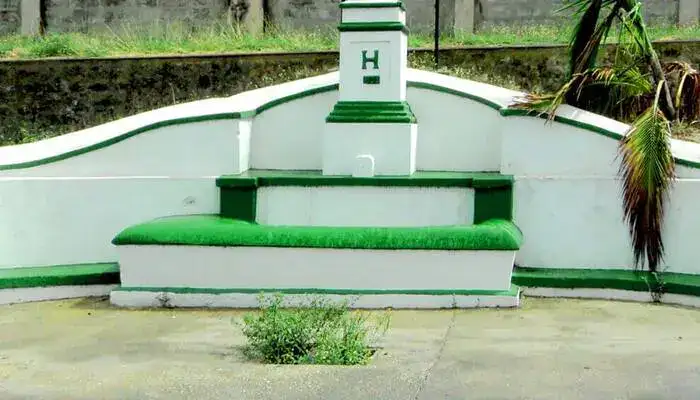
Laventille Water Trough & Historic Toll Route
Our journey continues into Success Laventille, where one of Trinidad’s oldest surviving public landmarks tells the story of everyday colonial life. Built in 1853 during the administration of Lord Harris, this stone water trough provided fresh spring water for horses, donkeys and carts travelling to and from Port of Spain. Nearby stood Trinidad’s only historic toll booth, where travellers once paid to enter the capital. Together, these humble landmarks remind us that Laventille was an important route connecting communities long before the modern city developed.
Did You Know?
Trinidad's only historic toll booth once stood nearby, collecting fees from carts entering Port of Spain before the railway arrived.
Why it Matters
These landmarks reveal how Laventille supported everyday travel, trade and transport during Trinidad's colonial development.
Local Voice
"Long before cars, these roads carried people, animals and stories that built Trinidad for generations." — Tour Dé Laventille Guide
Legacy
These surviving landmarks preserve an important chapter of Trinidad's transport history and the everyday lives of ordinary people.
Look Around
Imagine horses stopping for fresh water as traders, farmers and travellers continued their journey into Port of Spain.
JOURNEY EIGHT
A Community Built on Faith -
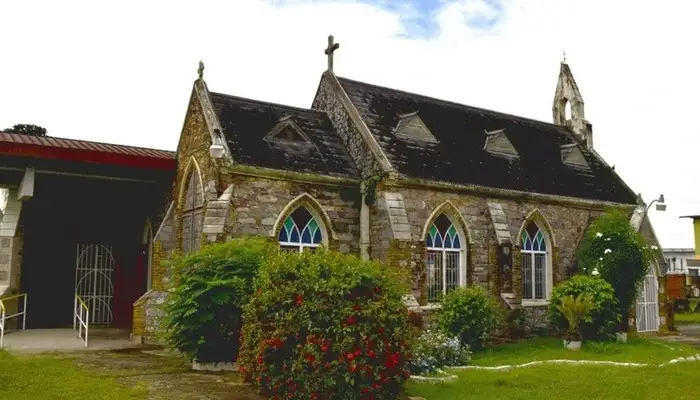
St. Matthias Anglican Church
Continuing along the Eastern Main Road, we arrive at one of Laventille’s oldest places of worship. Consecrated in 1855, St. Matthias Anglican Church has served generations of families and remains a symbol of faith, resilience and community. Local tradition holds that the church stands on land once owned by William Pashley, while parts of the original construction were completed by formerly enslaved Africans, whose skill and determination helped shape this enduring landmark.
Did You Know?
St. Matthias was consecrated in 1855 and has welcomed worshippers for more than 170 years without interruption.
Why it Matters
St. Matthias reflects Laventille's enduring faith and the generations who built strong communities through hope and perseverance.
Local Voice
"This church has witnessed generations of baptisms, weddings, farewells and new beginnings." — Tour Dé Laventille Guide
Legacy
St. Matthias remains one of Laventille's oldest landmarks, preserving a living tradition of faith, service and community.
Look Around
Notice the timeless architecture and imagine generations gathering here to celebrate, worship and support one another through life's journey.
Next Journey
Just two blocks away, our journey continues to the Laventille Rhythm Section, where rhythm is created from everyday objects and tradition.
Continue the Journey
Our journey continues east along the Eastern Main Road to Trinidad Steelpan Limited, where the sound of Trinidad is shaped by skilled hands.
JOURNEY NINE
The Heartbeat of Laventille -
Laventille Rhythm Section
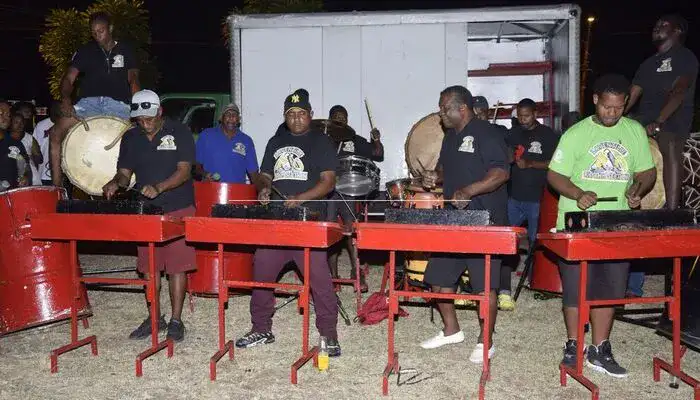
Our journey now arrives at one of Laventille’s most unique cultural traditions. The Laventille Rhythm Section transforms everyday objects—steel barrels, scrap metal and handmade percussion—into infectious rhythms rooted in African heritage. Better known locally as “Du-Dup,” these performances celebrate creativity, community and the unmistakable heartbeat of Trinidad’s musical culture.
Did You Know?
The Laventille Rhythm Section creates music using recycled materials, proving rhythm can be found in almost anything around us.
Why it Matters
This tradition preserves African rhythms while celebrating Laventille's creativity, resilience and ability to make music from everyday life.
Local Voice
"Rhythm lives in Laventille. You don't just hear it—you feel it with every heartbeat and every step." — Tour Dé Laventille Guide
Legacy
The Laventille Rhythm Section keeps ancestral rhythms alive while inspiring future generations to celebrate Trinidad's rich musical heritage.
Look Around
Watch simple objects become musical instruments as rhythm, movement and community spirit come together before your very eyes.
JOURNEY TEN
Crafting the Sound of Trinidad -
Trinidad Steelpan Limited
Continuing east along the Eastern Main Road, we arrive at Trinidad and Tobago Instruments Limited (TTIL), where centuries of craftsmanship meet modern innovation. Here, skilled pan makers shape, burn, tune and finish steelpans that are played across the world. Every instrument reflects the creativity, precision and dedication that transformed an industrial oil drum into Trinidad and Tobago’s national instrument.
Did You Know?
Every steelpan is shaped, heated, tempered and hand-tuned before producing the distinctive sound celebrated around the world.
Why it Matters
This factory preserves traditional craftsmanship while producing steelpans that continue sharing Trinidad's musical heritage with audiences worldwide.
Local Voice
"Every pan begins as steel, but skilled hands and patient ears bring its music to life through generations of craftsmanship and dedication."
Legacy
Trinidad Steelpan Limited continues preserving the craftsmanship behind the world's only acoustic instrument invented during the twentieth century.
Look Around
Watch skilled craftsmen transform ordinary steel into extraordinary musical instruments using techniques perfected through generations of experience.

Next Journey
Standing outside Trinidad Steelpan Limited, we look across the Eastern Main Road to the world-famous Angostura Distillery, discovering how a Venezuelan bitters became one of Trinidad's greatest global brands. From here, we board our bus for the final journey to Lady Young Lookout.
This brings us to the end of this fabulous the Journey
Our journey continues east along the Eastern Main Road to Trinidad Steelpan Limited, where the sound of Trinidad is shaped by skilled hands.
JOURNEY ENDS
Above the City -
Lady Young Lookout
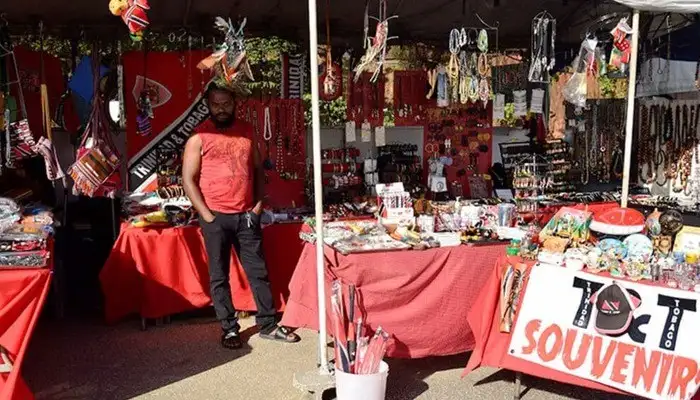
From here, Port of Spain, the Gulf of Paria and the Western Peninsula unfold before us, revealing the landscape that shaped the remarkable stories you’ve discovered throughout today’s journey. Visitors can also browse locally crafted souvenirs and enjoy authentic Trinidadian snacks while taking in the unforgettable views.
Did You Know?
Lady Young Road took nearly twenty years to complete before opening to motorists on 3 June 1959, crossing the rugged Laventille hills above Port of Spain.
Why it Matters
This breathtaking viewpoint brings every chapter of Tour Dé Laventille together, revealing the community that helped shape Trinidad and Tobago.
Local Voice
"From here, you don't just see Trinidad—you understand the spirit of Laventille, its people, resilience and remarkable legacy." — Tour Dé Laventille Guide
Legacy
Lady Young Lookout remains one of Trinidad's most iconic viewpoints, inspiring visitors with unforgettable scenery and lasting memories.
Look Around
Take in Port of Spain, the Gulf of Paria and the Western Peninsula from one of Trinidad's most spectacular viewpoints.
JOURNAL SUMMARY
Tour Dé Laventille - Final Reflection
Tour Dé Laventille concludes at Lady Young Lookout, where the journey comes into focus. From this vantage point, visitors see Port of Spain, the Gulf of Paria and the Western Peninsula stretching across Trinidad’s landscape.
The experience reveals a deeper truth about Laventille. Some communities are remembered for what they possessed, but Laventille is remembered for what it gave—leadership, music, innovation, faith, creativity and hope.
At the heart of this story is a belief that Laventille was not defined by material wealth, but by something far greater. The community was shaped by wisdom, knowledge and understanding, expressed most powerfully through the steelpan.
Forged from steel and transformed by human hands, the steelpan represents the meeting of earth, fire, water and air—elements brought together through creativity and resilience to produce Trinidad and Tobago’s national instrument.
This journey connects every stop along Laventille’s hillsides, from historical landmarks and sacred spaces to musical innovation and everyday life. Each site contributes to a larger narrative of identity, heritage and cultural achievement.
Tour Dé Laventille is more than a route through a community. It is a reflection on what this place has given to Trinidad and the world.
